A Practical Guide to Diamond Shapes for Engagement Rings
Why the Shape of a Diamond Matters
Choosing a diamond for an engagement ring is about more than size or clarity. The shape of the stone defines the ring's overall look, how it catches light, and even how large it appears on the hand. For many shoppers, understanding the differences between popular shapes is the first real step in narrowing down their options. This guide walks through the most common diamond shapes, what makes each one unique, and what practical factors to consider before making a decision.
Round Brilliant Cut: The Classic Choice
The round brilliant cut is the most familiar diamond shape. Its circular outline and precisely angled facets are designed to maximize light return, which gives it that bright, sparkly appearance most people associate with a diamond. Because it has been refined over decades, cut quality standards for round brilliants are more consistent than for other shapes. Shoppers often choose this shape when they want a traditional look with reliable brilliance. One trade-off: the round shape tends to look smaller than other shapes of the same carat weight, since its outline is compact. If finger coverage is a priority, you might prefer an elongated shape.
Princess Cut: Modern and Square
The princess cut is a square or slightly rectangular shape with sharp corners. It typically has many facets that create a bright, lively appearance, though not quite as much as a round brilliant. Because the corners are pointed, they can be more vulnerable to chipping. A secure setting that protects those corners is worth considering. The princess cut offers a contemporary look that still feels classic, and it often appears larger per carat than a round because of its broader surface area.
Oval Cut: Elegant and Elongating
An oval cut diamond has a symmetrical oval outline. Its elongated shape can make the finger appear longer and slimmer, which is a reason many shoppers consider it. The oval cut can also look larger than a round of the same carat weight because of its extended silhouette. However, the shape requires careful attention to cut proportions. A poorly cut oval can show a dark bow-tie effect across the centre, where light does not reflect evenly. Viewing the stone in person or through high-resolution images can help you judge whether the bow-tie is subtle or distracting.
Cushion Cut: Soft and Romantic
The cushion cut has a square or rectangular shape with rounded corners, like a pillow. Its facets are larger and more open than those of a round brilliant, so the sparkle appears softer and more diffused. This shape is often chosen for a vintage or romantic feel. Cushion cuts vary widely in proportion and faceting style, so two cushion diamonds can look quite different. Some have a more elongated shape, while others are nearly square. The same carat weight can look larger or smaller depending on the cut, so it helps to compare actual dimensions rather than relying on weight alone.
Pear Shape: Teardrop Flair
The pear shape, also called a teardrop, combines a round end with a pointed end. It offers the elongation of an oval with a distinctive silhouette. Many wearers like that it can be oriented with the point toward the finger tip or toward the hand, depending on personal preference. The pointed tip is delicate and may need extra protection from the setting. Because the shape is asymmetrical, cut quality matters: a well-cut pear has even, balanced curves. A common concern is that the stone can appear lopsided if the two sides are not symmetrical.
Emerald Cut: Sleek and Sophisticated
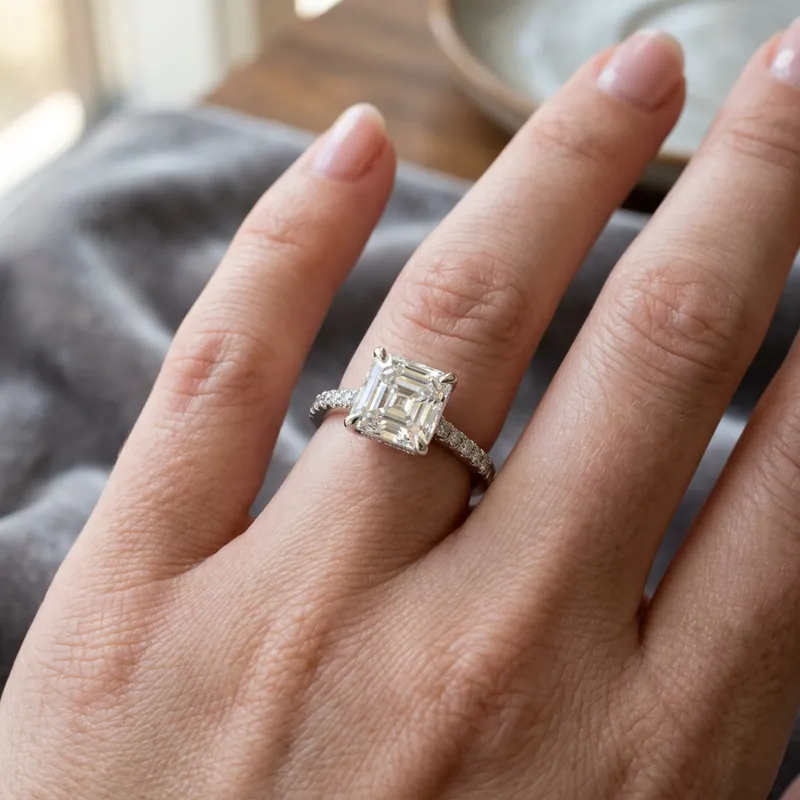
The emerald cut stands out for its clean, step-like facets and open table. Rather than emphasizing sparkle, this shape highlights the diamond's clarity and depth. Any inclusions or color tints are more visible than in a brilliant cut, so choosing a higher clarity grade is more important here. The emerald cut has a long, rectangular outline with trimmed corners. It pairs well with art deco or minimalist settings. Because it shows less brilliance, it appeals to shoppers who prefer understated elegance over flashy sparkle.
Marquise Cut: Maximum Length
The marquise cut is a narrow, pointed oval shape. Its elongated form can create the illusion of longer fingers and a larger stone for the carat weight. The two pointed ends are vulnerable, so a protective setting is advisable. When choosing a marquise, check the symmetry carefully. A poorly cut marquise can look uneven or have a pronounced bow-tie effect. Because of its distinctive shape, it works well as a centre stone in a three-stone setting or paired with side stones that echo its curves.
Heart Shape: Romantic and Unconventional
Heart-shaped diamonds are a less common choice but hold strong sentimental value for some. A well-cut heart shape has two lobes of even size and a clean cleft. The outline should look balanced rather than lumpy. Because the shape is more sculptural, it can be harder to find a well-proportioned heart diamond. Many heart shapes have visible bow-tie or dark areas. If you are considering a heart shape, expect to spend more time evaluating individual stones.
How to Choose Among Shapes
This diamond shapes guide should help you start comparing shapes with a clearer idea of what each offers. Begin by thinking about the wearer's style: do they prefer classic, modern, vintage, or unique looks? Next, consider the hand size and finger length. Elongated shapes such as oval, pear, and marquise tend to flatter shorter fingers. Round and cushion shapes can make longer fingers appear more balanced.
Budget is another factor. Round brilliants often cost more per carat than other shapes because of higher demand and more waste during cutting. Shapes such as cushion, princess, or oval can offer good value for shoppers seeking a larger look for the price. However, always compare stones by their actual measurements and cut quality, not just carat weight.
Practical Tips Before You Buy
See the stone in person or request detailed videos from a jeweller. Lighting in a store can differ from everyday light, so observe how the diamond behaves in various conditions. Ask about the cut grade: for round brilliants, the GIA cut grade from Excellent to Poor is a reliable guide. For fancy shapes, there is no standardized cut grade, so you rely more on visual inspection and the seller's description. Look for symmetry, even facets, and the absence of dark areas that may affect the stone's liveliness.
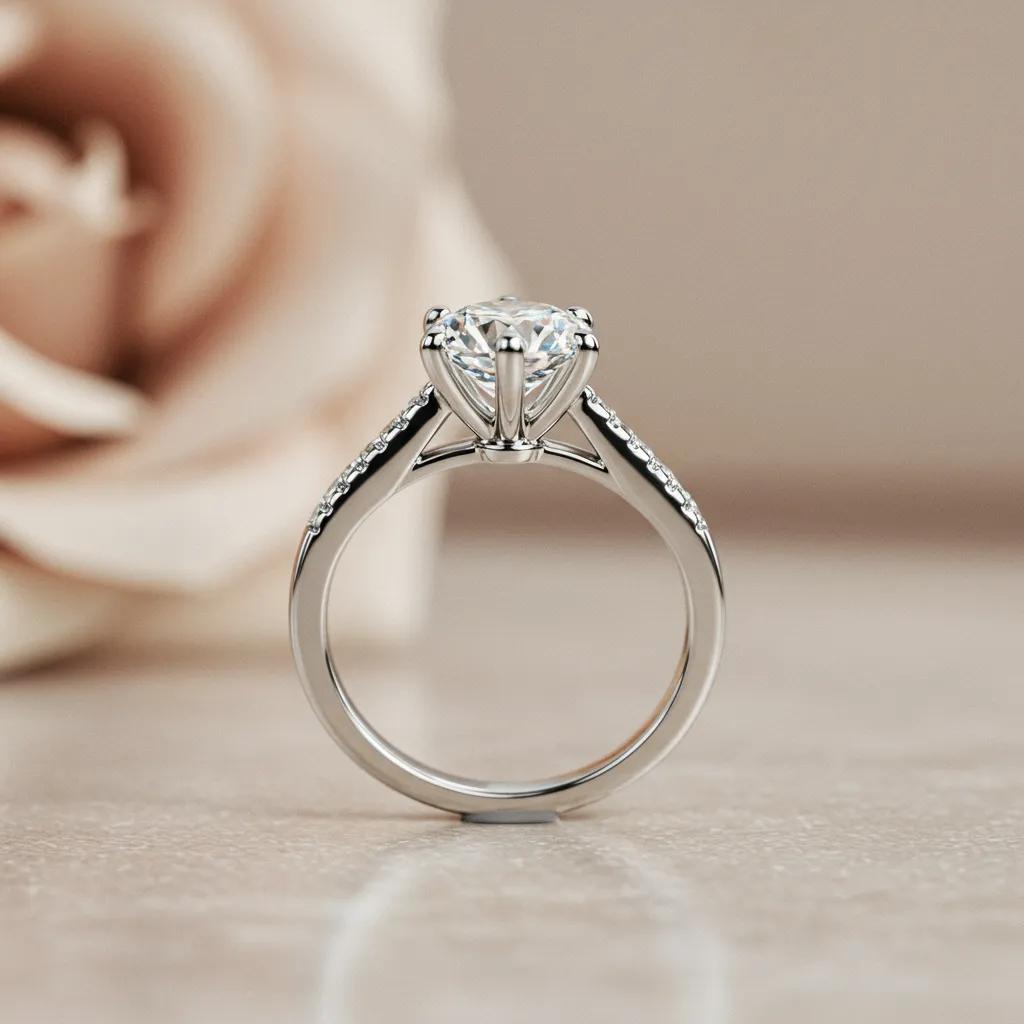
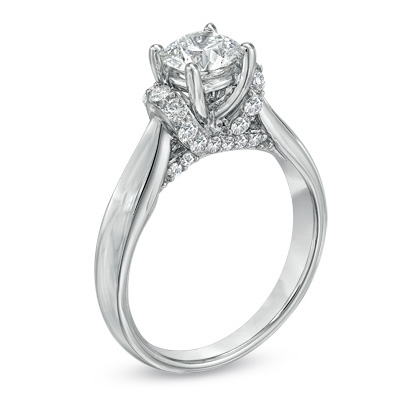
Consider the setting as well. Prong settings, bezels, and halos each affect how a shape looks and how protected it is. A halo of smaller diamonds around a centre stone can make a shape appear larger and add sparkle, but it can also change the overall silhouette. Discuss with a jeweller which settings work best for the shape you prefer.
Choosing a diamond shape is a personal decision that balances aesthetics, practicality, and budget. With a clear understanding of the options, you can narrow down your search and find a shape that feels right. Use this diamond shapes guide as a starting point, and trust your own eye when comparing stones in person. The right shape will not only look beautiful but also complement the ring's design and the wearer's everyday life.